Winter in Maryland and Northern Virginia can bring picturesque snowfalls – and occasionally, nasty ice storms or blizzards that knock the power out. If you live in Waldorf, La Plata, or Fort Washington, you might recall the region’s recent winter storms that left neighborhoods in the dark. Likewise, Northern Virginia homeowners in places like Fairfax and Alexandria know that even strong winds can down power lines. Are you prepared if the electricity goes out on a freezing night? In this post, we’ll cover how to safely ride out winter outages – from using generators the right way to avoiding common electrical hazards with space heaters and more. Stay warm and safe with these savvy tips (and keep reading – tip #3 about space heaters might surprise you!).
1. Install and Use Generators Safely
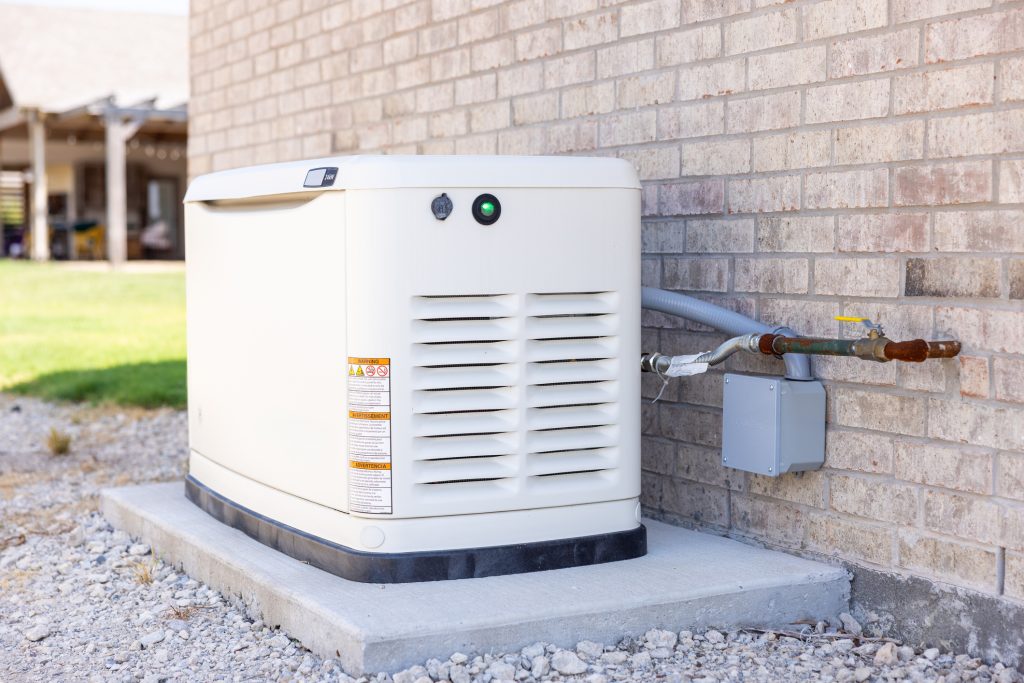
Investing in a home generator is a smart move in our area. A standby generator (permanently installed outside your home) or a portable unit can keep your essentials running when the grid goes down – but only if used properly. Safety first: Never run a generator indoors, in a garage, or even under an open window. Gasoline and propane generators produce carbon monoxide (CO) – a deadly, odorless gas. Keep portable generators far from the house (experts recommend at least 20 feet away, with the exhaust pointing away from living areas) . Always use outdoor-rated extension cords to feed power inside, or better yet, have an electrician install a transfer switch. A transfer switch connects a generator to your home’s circuit panel safely so you can power hardwired things (furnace, well pump, etc.) without backfeeding the grid.
For those with portable units: plan for refueling and storage. Store fuel in approved containers in a cool, ventilated area (never next to a gas furnace or water heater). Turn the generator off and let it cool before refueling – spilling gas on a hot engine could ignite. It’s wise to start your generator periodically (say, once a month) during the off-season to keep it in working order. Homeowners in rural Charles County or Loudoun County with frequent outages especially benefit from routine generator maintenance. And don’t forget to have working carbon monoxide detectors in your home if you’re using any generator or fuel-burning heat source. CO detectors save lives, every winter.
2. Avoid Overloading Circuits During Outages
When the power does flicker back on, that’s when another type of danger can strike: power surges. A sudden surge or spike can damage your appliances and electronics. Consider using surge protectors on sensitive devices (computers, TVs) and installing a whole-house surge protector at your electrical panel if you don’t already have one. This is especially relevant in tech hubs like Reston or Tysons Corner, where home offices with lots of equipment are common. A licensed electrician can add a surge protection device to your main panel, giving you peace of mind that a post-outage surge won’t fry your costly gadgets.
Also, be mindful of what’s on when power returns. If you had multiple space heaters, the clothes dryer, and every light on when the outage hit, that all will come back on simultaneously – possibly overloading circuits immediately. It’s a good practice to switch off or unplug non-essential devices during an outage. Leave one light on so you know when power is restored, but keep high-draw devices (heaters, ovens, AC units) off until stability returns. This staggered approach prevents an instant overload on your home’s electrical system when utility power is restored.
3. Space Heater Safety: A Winter Must
When temperatures plummet, many of us reach for portable space heaters to warm up chilly corners. These little heaters can be lifesavers – but they also account for a significant share of winter home fires. If you’re using space heaters in your Alexandria townhome or Bowie bungalow, follow these critical safety rules:
- Plug space heaters directly into a wall outlet. Never use extension cords or power strips, which can overheat under a space heater’s high current load . In fact, plugging a powerful heater into a cheap power strip is a common cause of electrical fires in winter. Always give a space heater its own dedicated outlet.
- Keep a 3-foot clearance zone around the heater. Anything flammable – furniture, curtains, bedding, newspapers – should be well away. Space heaters need personal space!
- Never leave heaters unattended. Turn them off when you leave the room or go to sleep. It’s tempting to run a heater overnight, but if you need overnight warmth, use central heating or ensure your space heater has robust tip-over and overheat shutoff features.
- Check the cord for damage and feel the outlet for warmth. If the plug or cord feels hot, that’s a sign of trouble – discontinue use. Modern ceramic heaters are generally more efficient and cool to the touch, so consider upgrading older coil-type models.
Remember, heating equipment (including space heaters) is a leading cause of winter house fires, contributing to tens of thousands of fires each year . Space heaters in particular are involved in 4 out of 5 home heating fire deaths, according to the NFPA. Treat them with respect and caution.
4. Be Prepared: Lights Out Doesn’t Mean Life Out
A little preparation goes a long way when facing winter blackouts in Maryland and NOVA. Assemble an emergency kit with flashlights (and extra batteries), a battery-powered radio, and a supply of fresh water and nonperishable food. During freezing weather, prevent pipe bursts by shutting off water to outside spigots and letting interior faucets drip if heat is off for an extended period. If you have a fireplace or wood stove, keep a supply of dry wood handy for backup heat (just ensure proper ventilation).
If you rely on medical devices that require power, have a plan in place – whether it’s a home generator or knowing the location of the nearest emergency warming center that has generator power. Residents in senior communities from Bethesda to Fairfax should take extra care to have cell phones charged and neighbors or family who can check in. Sometimes the simplest preparation – like a fully charged portable power bank for your phone and a car charger – can keep you connected when the lights are out.
Finally, know your utility’s outage reporting number and save it. Reporting outages helps crews pinpoint issues (don’t assume a neighbor already called). And when you see utility crews braving the elements to restore power, give them a wave – or space on the road – they’re winter’s unsung heroes!
Stay safe and warm this winter! A bit of foresight and following these tips will help ensure that even if winter weather knocks out the power, your family in Fort Washington or Falls Church can weather the storm safely. For any help getting your home’s electrical system winter-ready – from installing generators to inspecting your panel – Circuit Doctors is on call in the Maryland and Northern Virginia region. Don’t hesitate to reach out for an estimate or advice on keeping the power flowing no matter what Mother Nature brings.