Winter in the D.C. metro area means more time indoors, cranking up the heat and plugging in seasonal gadgets. Whether you’re in Waldorf, MD or Alexandria, VA, it’s important to be mindful of how winter conditions and habits can create electrical safety hazards. Heating equipment, holiday decorations, and storm-related issues all contribute to a yearly spike in home electrical fires and accidents during the colder months . The good news is a few simple precautions can go a long way toward keeping your home safe. Here are five essential winter electrical safety tips for our local homeowners:
1. Use Space Heaters Safely
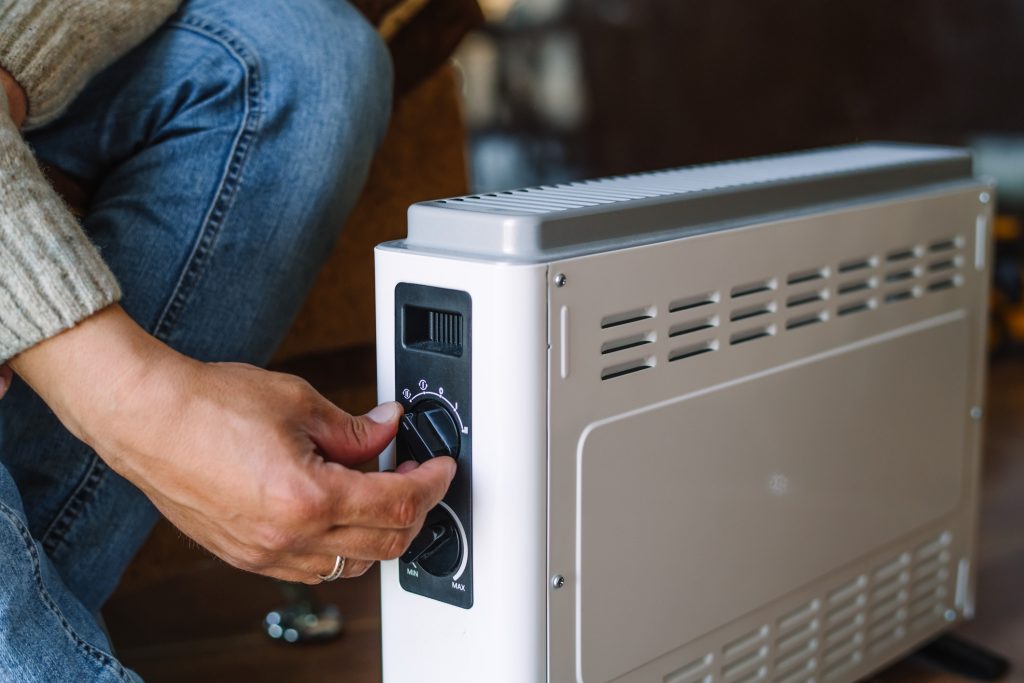
Portable space heaters are a convenient way to warm up a chilly room, but they can be extremely dangerous if used incorrectly. More than half of home heating fire incidents involve portable heaters. Always plug space heaters directly into a wall outlet – never into extension cords or power strips, which can overheat under the high current draw . Keep the heater at least 3 feet away from anything flammable, such as curtains, bedding, or furniture. It should sit on a stable, level surface (preferably the floor) where it won’t tip over. Look for modern heaters with safety features like an automatic tip-over shutoff and overheat protection. And of course, never leave a space heater running unattended or while you’re asleep. It’s better to use it to warm the room and then turn it off before bedtime. By following these practices, you can enjoy that extra warmth without worry.
2. Avoid Overloading Outlets and Circuits
During winter we often plug in more devices than usual – holiday light strings, electric blankets, humidifiers, plus all the usual gadgets. Older homes in communities like Clinton or La Plata may have fewer outlets, tempting you to daisy-chain power strips or overload a single outlet with too many plugs. Overloaded circuits are a major fire risk. Spread out your electrical loads across multiple outlets, and never plug two power strips into the same outlet or into each other. If you must use extension cords for an appliance, ensure the cord is rated for the appliance’s power needs (for example, a space heater should only use a heavy-duty extension cord if absolutely necessary, but preferably none at all). Watch for warning signs of overload: flickering lights, tripping breakers, or warm outlets are red flags. If you notice these, unplug some devices and call an electrician – you may need additional circuits or an upgrade to handle your household’s needs safely.
3. Test Smoke and CO Detectors
House fires and carbon monoxide incidents increase in winter, as we use heating equipment more frequently. Now is the time to test all your smoke alarms and carbon monoxide detectors. Replace batteries if you’re not sure when they were last changed (a good rule of thumb is to do this at every time change or at New Year’s). There should be a smoke detector on every level of your home and inside bedrooms. For carbon monoxide (CO) detectors, have at least one on each floor, especially near sleeping areas. Remember, carbon monoxide is an odorless gas produced by furnaces, fireplaces, and generators – the detector is the only way to know if it’s accumulating. If any alarm isn’t working or is over 10 years old, replace it right away. This small step can literally be a life-saver. And as always, if an alarm goes off, get everyone fresh air and call the fire department to investigate.
4. Be Careful with Holiday Lights and Decorations
Many of us love to decorate our homes with festive lights during the holiday season. By January, you might be in the process of taking those lights down. Ensure you do this safely. Always unplug light strings before taking them off the house or tree. Inspect cords for any signs of fraying, cracked insulation, or exposed wires – if you find damage, dispose of the lights; don’t pack them away for next year. When using a ladder outdoors, beware of overhead power lines and keep yourself and decorations well clear of them. For those who leave lights up through winter, use proper outdoor-rated extension cords and GFCI outlets for any exterior lighting. GFCI (Ground Fault Circuit Interrupter) outlets are designed to cut power if there’s any electrical fault (such as moisture causing a short) and are a must for outdoor circuits in wet or snowy conditions. If your exterior outlets aren’t GFCI-protected, consider having an electrician upgrade them. Finally, never run extension cords under rugs or through doors/windows where they can be pinched – this can damage the cord and lead to shorts or fires.
5. Prepare for Winter Storms (Safely)
We’ve talked in depth about generators in another post, but even if you don’t have one, you should be prepared for possible power outages. Use flashlights or LED lanterns instead of candles for emergency lighting – candles pose a fire hazard, especially if left unattended. If you do use a portable generator during an outage, keep it outside, at least 20 feet away from the house, and never in a garage or enclosed space (to prevent carbon monoxide poisoning). Connect appliances using a proper heavy-duty outdoor extension cord, and never plug a generator into a house outlet (this dangerous practice, called backfeeding, can electrocute line workers and destroy your appliances). After power is restored, wait a few minutes before turning everything back on – this helps avoid sudden surges. If you experience any electrical damage (like a tree taking down service lines or water exposure to wiring), have a licensed electrician inspect and fix it before powering back up. Safety first!
Conclusion: A little caution and maintenance go a long way toward ensuring a safe and cozy winter at home. By using heaters carefully, not overloading your electrical system, and keeping your safety devices in top shape, you greatly reduce the risk of fires or accidents. Circuit Doctors is proud to serve our local communities in keeping homes safe. If you need any help – be it installing GFCI outlets, adding more circuits to relieve overloads, or replacing old smoke detectors – give us a call at (301) 710-6218. Our experienced electricians (serving Waldorf, Fort Washington, Alexandria, and the surrounding areas) are here to help you enjoy a safe winter season. Stay warm and stay safe!