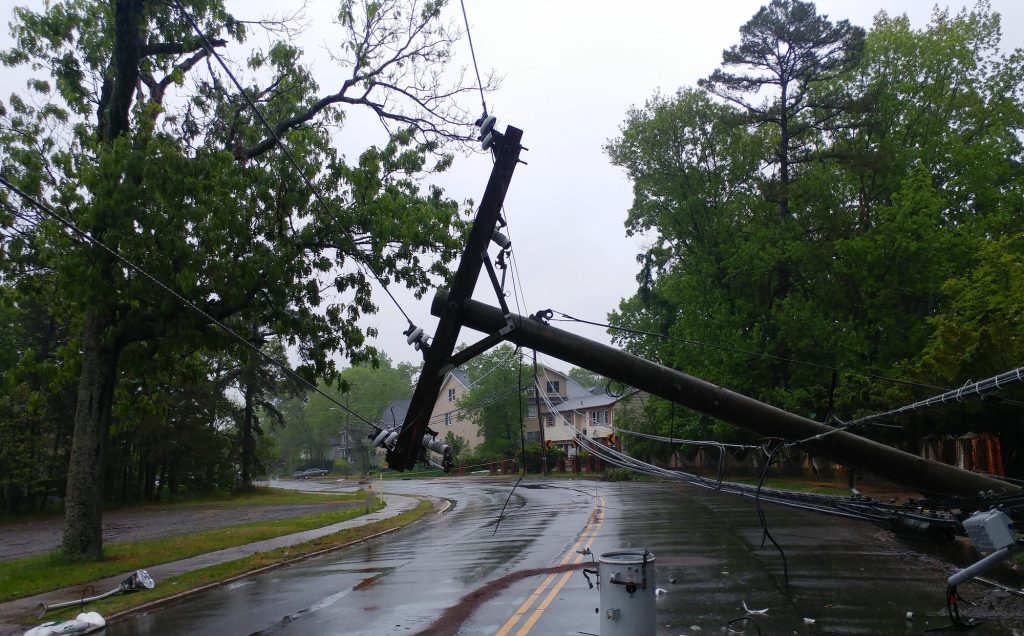
Winter storms are a fact of life here in Maryland and Northern Virginia. In recent years, we’ve seen heavy snowfalls and ice storms that knock out power lines and leave entire neighborhoods in the dark. (Longtime residents might remember events like “Snowmageddon,” which caused widespread outages.) Losing electricity isn’t just an inconvenience – it can be dangerous in freezing temperatures, as heating systems and well pumps stop working. Preparing your home for winter power outages is a smart move to keep your family safe and comfortable. In this post, we’ll explore backup power solutions so you won’t be left powerless during the next big storm.
Why Winter Outages Are a Big Deal
A power outage in summer is uncomfortable, but in winter it can quickly become an emergency. When the grid goes down during a January blizzard, you lose your primary heat source (whether it’s an electric furnace, heat pump, or the fan/blower on a gas furnace). Pipes can start to freeze, food can spoil, and medical devices or sump pumps stop functioning. In our region, ice accumulation on trees and wires often leads to outages. Just one fallen tree in Fort Washington or a glazed power line in Fairfax can cut electricity for thousands of homes. That’s why it’s crucial to have a backup plan for power before a storm hits.
Portable vs. Standby Generators
The two main options for homeowner backup power are portable generators and permanently installed standby generators. Portable generators are the small, gas-powered units you might see people running in their driveways. They’re relatively affordable and can be useful in a pinch – you plug in a few essential devices or appliances directly into the generator. However, they have limitations: you must operate them outdoors only (to avoid carbon monoxide poisoning), refill them with fuel frequently, and manage extension cords running into the house. They also typically can’t power your whole home, just a couple of critical items at a time.
Standby generators, on the other hand, are larger units installed permanently outside your home (similar to an AC unit). These are connected directly to your electrical system and powered by a steady fuel supply like natural gas or propane. The big advantage is automatic operation: when a storm knocks out the grid, a standby generator detects the loss and turns on within seconds to supply power to your home’s circuits. You don’t need to go out in a blizzard to start it or refuel it. Standby generators can be sized to run nearly the entire house – from your furnace and refrigerator to lights and outlets – or just a selection of crucial circuits, depending on the unit capacity. While the upfront cost is higher than a portable unit, standby generators offer unparalleled convenience and peace of mind for long-term outages.
Benefits of a Standby Generator Installation
If your home and budget can accommodate it, installing a standby generator is an excellent investment for anyone living in storm-prone areas of Maryland and Virginia. Here are some key benefits:
- Automatic Backup Power: You can be out of town or asleep at night – it doesn’t matter. The moment the grid fails, a standby generator will fire up and restore power to your home within about 10 seconds. This protects your home immediately (heat stays on, sumps keep pumping) without any action needed on your part.
- Whole-Home Comfort: Instead of choosing which one or two appliances to plug into a portable unit, a properly sized standby generator can keep most of your home functioning. That means the heat stays on, the well pump or fridge keeps running, lights remain on, and you can even use some outlets and devices as normal. It’s as if you barely notice the outage.
- Safety and Convenience: Standby units are permanently installed by professionals (like the licensed electricians at Circuit Doctors) with all the correct transfer switches and wiring. There’s no fumbling with extension cords in the dark or risk of backfeeding the grid unsafely. Plus, they’re outside, so there’s no indoor exhaust or fire hazard. They self-test weekly to ensure they’re always ready when needed. Maintenance is as simple as getting an oil change and inspection annually – much like servicing an HVAC system.
- Peace of Mind for Long Outages: Sometimes storm outages can last days. With a standby generator hooked to natural gas or a large propane tank, you have days or even weeks of continuous power available. You and your family can ride out the worst storm in comfort at home, rather than evacuating to a hotel or a relative’s house that has power.
Other Backup Solutions and Tips
Even if you’re not ready to invest in a generator, there are steps you can take to prepare for winter outages:
- Battery Backups (UPS): For short outages or to keep smaller electronics safe, an Uninterruptible Power Supply battery can keep your internet router, phone chargers, or a few lamps going for a limited time. It’s not a whole-house solution, but it can be handy for work-from-home setups to prevent immediate shutdowns.
- Emergency Kits: Always have flashlights (with extra batteries), a battery-powered radio, and warm blankets accessible. Consider emergency heating options like a kerosene heater, but use them with caution and proper ventilation.
- Surge Protection: After power is restored, surges can occur. A whole-home surge protector (installed at your electrical panel) will guard your appliances and HVAC from any voltage spikes when the power comes back on. This often goes hand-in-hand with generator installations as an extra safety measure for your electronics.
Lastly, have a plan for any medical devices that require power – many local jurisdictions (e.g., Pepco in Maryland or Dominion in Virginia) allow you to register as a “priority” for restoration if someone in your home depends on electrical medical equipment.
You can’t control the weather, but you can control how prepared you are for it. This January, take time to evaluate your home’s readiness for a power outage. Whether it’s purchasing a portable generator or installing a robust standby generator system, backup power is becoming a must-have for Maryland and Virginia homeowners facing winter storms. Circuit Doctors is here to help with expert advice and professional generator installation. Give us a call at (301) 710-6218 to discuss the best backup power solution for your home, or to schedule maintenance on an existing generator. When the next snowstorm strikes, you’ll rest easy knowing your lights are still on and your family is safe and warm.