When winter’s chill sets in across Maryland and Northern Virginia, many homeowners find themselves cranking up the heat – and bracing for higher electric bills. But what if you could keep your Waldorf or Fairfax home comfortable and save money on energy this December? Good news: you can. In this blog, we’ll share smart electrical tips to lower your winter energy costs without sacrificing warmth. From simple hacks (have you reversed your ceiling fan direction yet?) to worthwhile upgrades, these tips will help Maryland and N. Virginia residents – whether in La Plata, Fort Washington, Alexandria, or beyond – stay snug and energy-savvy. Let’s dive in and start saving!
Seal Up Leaks and Optimize Heating
One of the cheapest and most effective ways to save energy in winter is sealing the air leaks in your home. Those little gaps around doors, windows, and even electrical outlets can leak precious warm air. In fact, the U.S. Department of Energy notes that plugging drafts can save you up to 20% on heating costs. Take a walk on a cold day and feel for drafts: you might discover the family room window in your Alexandria townhouse or the back door of your Waldorf colonial is a culprit. Apply weather-stripping or caulk to seal cracks and consider using draft stoppers at the base of doors.
Next, optimize your heating circulation. If you have ceiling fans, put them to work in the winter! Most fans have a small switch to reverse the blade direction. Set your fan to spin clockwise at low speed in winter, which gently pushes warm air that rises back down towards the living space . This simple trick can make a room feel warmer without turning up the thermostat. Also, go ahead and ensure your heating vents aren’t blocked by furniture or heavy curtains . Clear vents allow heat to flow freely, making your furnace’s job easier.
Smarter Thermostat Settings = Instant Savings
Heating (whether electric, gas, or heat pump) typically accounts for the biggest chunk of winter energy use. By tweaking your thermostat, you can enjoy significant savings without feeling cold. Try lowering the thermostat by a few degrees for chunks of the day, especially when you’re away or at night when you’re under blankets. For example, turning down from 72°F to 62°F while you sleep can cut heating costs by around 10% . According to the pros at Circuit Doctors, dialing back 10 degrees for 8 hours a day (say, overnight) can save you roughly 10% on your heating bill .
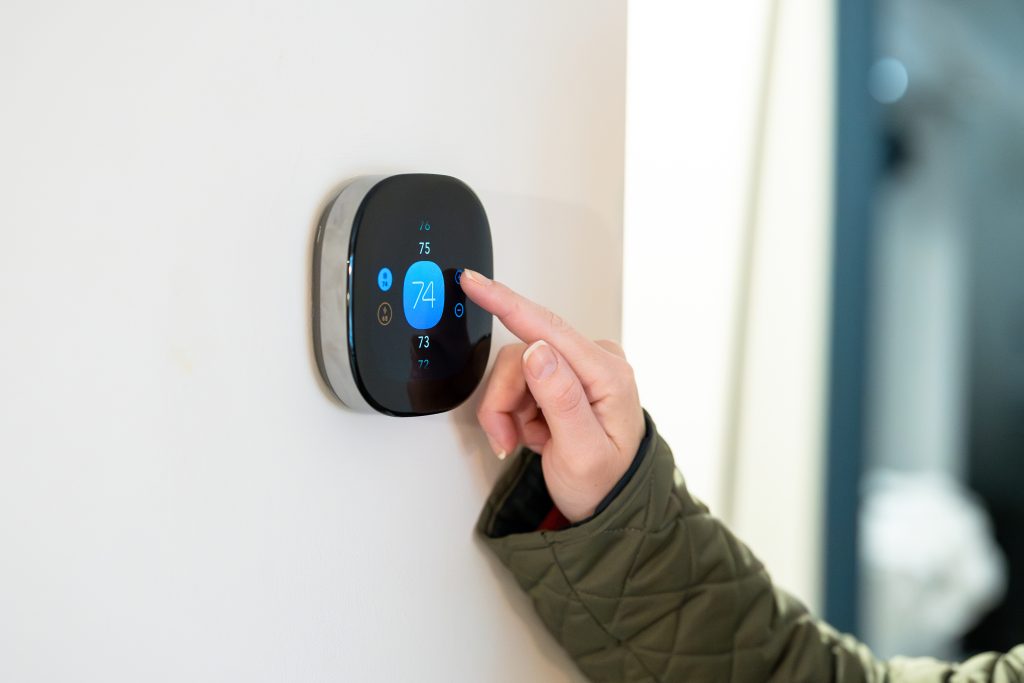
To make this effortless, consider installing a programmable or smart thermostat. A programmable thermostat will automatically adjust the temperature on a schedule – warm and cozy by the time you wake up, lower while you’re at work, then toasty again for the evening. Smart thermostats go a step further, learning your habits and letting you control settings via phone. Many utility companies in Maryland and Virginia even offer rebates for smart thermostats, effectively lowering their cost. An upfront investment of $100–$200 for a good smart thermostat could pay for itself within the first winter or two through energy savings.
Bonus tip: Don’t forget about your water heater’s thermostat too. Many water heaters are set to about 140°F by default, but you can often drop that to 120°F and still have plenty of hot water for showers. This reduces energy waste (and also slows mineral buildup in the tank). If you plan to be away for a week or more (perhaps visiting family over the holidays), you can even set the water heater to “vacation” mode or a lower setting to avoid heating water you won’t use.
Lighting: Go LED and Embrace Natural Light
Winter’s shorter days and longer nights mean lights stay on longer. If you haven’t switched your home’s lighting to LED bulbs, now is the time. LED bulbs use up to 75% less energy than old incandescent bulbs and last 25 times longer, according to the Department of Energy. They also produce much less heat (incandescents release 90% of their energy as heat!), which is safer and won’t warm up your home unnecessarily . In a typical Maryland home, lighting accounts for about 5-10% of the energy bill – so cutting that by half or more with LEDs is low-hanging fruit. Modern LEDs come in all shapes, brightness levels, and even “warm” or “cool” color tones. Swap them in for any remaining traditional bulbs in your lamps and fixtures.
Another tip: maximize natural daylight to give your lights (and mood) a break. Open curtains on sunny winter days, especially on south-facing windows which get the most sun. The sunlight can help warm the room and you won’t need as many lamps on. Just be sure to close the curtains or blinds at night to help insulate against the cold radiating from the glass.
For holiday lighting, if you decorate, apply the same principle – use LED holiday lights (which you likely already are after reading our other blog!). They use a fraction of the electricity, which is kinder on your bills when you’re running a yard full of lights from Thanksgiving through New Year’s.
Efficient Appliances and Hot Water Use
Winter tends to be a time we cook, bake, and do laundry more (hello, holiday feasts and thick sweaters!). Using appliances efficiently can chip away at your energy costs:
- Laundry: Wash clothes in cold water when possible. Modern detergents work great in cold, and you’ll save on water heating. The average person can save about $150 a year by washing primarily in cold. Also, clean the dryer lint filter after every load to improve drying efficiency, and run full loads rather than multiple small loads.
- Water Heater & Showers: Long, hot showers are lovely on cold days, but they drive up your electric or gas bill. Did you know cutting just 2 minutes off your shower can save about 25% of the water heating cost for that shower ? Over a month of daily showers, that adds up. If your family of four each reduces an 8-minute shower to 6 minutes, you’re saving hundreds of gallons of hot water and a nice chunk of change . Consider installing low-flow showerheads which reduce water usage without sacrificing pressure – you’ll hardly notice a difference except on your bill.
- Kitchen: Use your oven efficiently. When baking, avoid opening the oven door frequently (each peek lets heat escape and the oven works harder to reheat). In between big cooking sessions, use smaller appliances like toaster ovens, microwaves or air fryers for cooking small meals – they consume less energy than firing up a full-size oven. And if you do use the oven, when you’re done baking, leave the oven door ajar to let the residual heat warm the kitchen (as long as it’s safely out of reach of children/pets). It’s a free heat boost!
Speaking of free heat: if the sun is out, open those blinds and let sunshine help heat your home naturally. Conversely, at night, close curtains (especially heavier, insulated drapes if you have them) to keep heat in. This simple habit helps reduce the workload on your heating system.
Bonus: Electrical Upgrades That Pay Off
If you’re ready to take energy savings to the next level, a few strategic electrical upgrades can yield long-term benefits:
Upgrade old appliances – that 20-year-old fridge or dishwasher is likely an energy hog compared to today’s Energy Star models. If you’ve been on the fence about replacement, factor in the energy savings of a new unit. Over a winter, a more efficient refrigerator, for instance, will use noticeably fewer kilowatt-hours.
Upgrade to a smart thermostat – we mentioned this, but it truly can trim 10-15% off your heating (and cooling year-round) costs. Utility rebates make it very affordable for Maryland and Virginia residents.
Consider a home energy audit – many local power companies will do an energy assessment for free or low cost. They’ll identify insulation gaps, inefficient appliances, or other issues. For example, they might find your Fairfax home’s attic insulation is sub-par, or that your Waldorf split-level would benefit from duct sealing. Fixes could save more than they cost.
Finally, remember that small habits add up. Turning off lights when not in use, unplugging chargers or electronics in guest rooms that sit idle (idle electronics can draw “phantom” power), and keeping doors closed to unused rooms can each make a minor dent – together, they become a major dent. Plus, using less energy isn’t just about saving money – it’s also about reducing strain on the power grid and being kinder to the environment. During peak cold snaps, the grid appreciates every kilowatt we don’t use unnecessarily.
By following these tips, you’ll stay warm and comfortable in your Maryland/NOVA home while seeing smaller utility bills. Challenge yourself to implement just a few and watch the savings roll in. For any electrical upgrades or an energy-efficient heating solution (like a heat pump or new ceiling fan installation), Circuit Doctors is here to help across the region – from Fort Washington to Fairfax. Stay cozy and save on!